

U.S. government economic data began to flow again this week after the 43-day shutdown. The September labor report reflected stronger than expected hiring with 119,000 jobs created; however, July and

After 43 days, Congress voted to end the longest shutdown in US government history. The end provided a short-lived rally in equity markets; while fixed income market participants, seeking economic
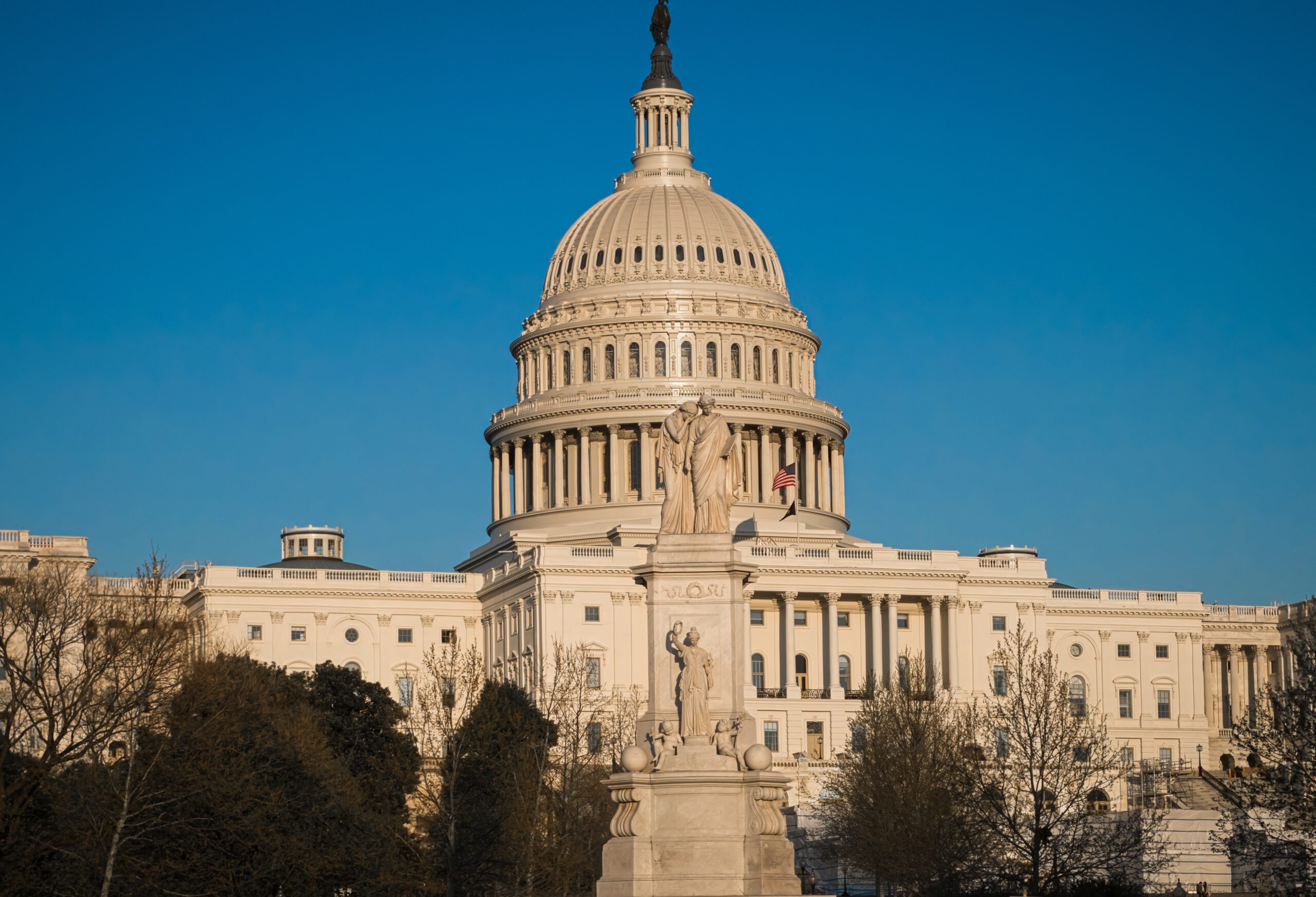
Financial markets adopted a cautious tone this week as investors navigated limited visibility into the economy while the federal government shutdown continues, becoming the longest in U.S. history. Normally, the

The US Government shutdown has continued into its 31st day (as of 10/31/2025) as pressure on Congress mounts to reach an agreement. The current shutdown is poised to exceed the 35-day

The US government shutdown continues, and as of this writing it does not appear there are any discernable efforts taking place to address the impasse within the US congress. Despite

An already slow week for economic data, due to the holiday closure on Monday, was inhibited even further as Friday marked the 17th day of the Federal Government shutdown. September inflation

Markets had little economic data to digest this week as the U.S. federal government shutdown continued to delay releases. The preliminary October reading for the University of Michigan Consumer Sentiment

The U.S. federal government officially shut down on October 1st after Congress failed to agree on a funding bill. The debate centers on disagreements over spending priorities, including health care

This week’s key economic data release included the Fed’s preferred gauge for inflation, the Core Personal Consumption expenditures (PCE). The closely watched measure came in at 0.3% month-over-month and 2.7%

The Federal Reserve (Fed) lowered the federal funds rate target range by 25 basis points to 4.00% to 4.25% at its September meeting, marking the first cut since December 2024.